Why is My Water Pressure Low?
Few things are more frustrating than jumping in the shower and getting a weak trickle instead of a decent stream. 😫 Whether your pressure cut out overnight or it’s been a slow decline over the last few months, it’s usually a sign of a bigger issue hiding in your pipes. It’s more than just an annoyance, it’s your plumbing system telling you something is wrong.
We’ve seen everything from a simple $2 aerator clog to major leaks hidden deep underground. Most pressure issues are actually pretty straightforward to fix once you track down the source. Below are the most common causes our plumbers see on a daily basis, and a few things you can check yourself before you have to give us a call.
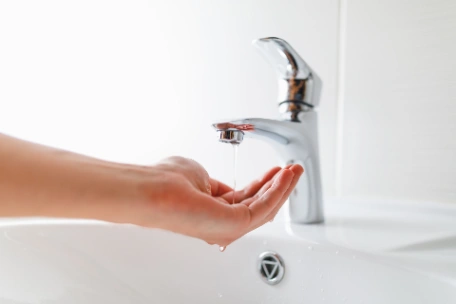
Common Causes of Low Water Pressure
Low pressure usually comes down to one of four or five main culprits. Some are an easy five-minute fix, while others mean there's a bigger problem deep inside your walls or under the garden.
⚠️ The Main Shut-off Valve
This is the big one. Sometimes, after a gardener or another tradie has been working near your water meter, the main valve gets bumped or only half-turned back on. If it’s not open all the way, your whole house will feel it.
⚠️ A Faulty Pressure Limiting Valve (PLV)
Most modern homes have a regulator that keeps the high-pressure council water from blowing out your indoor taps. When these valves wear out or get stuck, they can choke your water flow down to a trickle.
⚠️ Hidden Leaks
If your pressure has dropped off a cliff and you can’t see why, you might have a pipe leaking under the slab or in the yard. If the water is escaping before it reaches your tap, your pressure will plummet.
⚠️ Steel Pipe Corrosion
If you’re in an older place with original galvanized steel pipes, they eventually rust from the inside out. This buildup acts like a clogged artery, leaving very little room for water to actually get through.
⚠️ Hot Water System Issues
If the pressure is great on the cold side but terrible on the hot, the issue is likely a blocked tempering valve or a problem with the hot water unit itself.
Is It Just One Tap or the Whole House?
Before you start stressing about a massive repair bill, you need to see if the problem is just in one spot or affecting the whole house. The quickest way to tell is to walk around and test every tap in the house.
☝️ Just One Tap
If it's just the one tap, you can breathe easy; it’s probably not a pipe issue. Nine times out of ten, it’s just a blocked aerator (that little mesh filter on the end of the tap) or a dodgy mixer cartridge. If it’s only the shower that's acting up, the head is likely just choked with mineral scale and needs a good clean.
🏠 The Whole House
If every tap in the house, from the kitchen to the laundry, has turned into a trickle, the problem is further back. You’re likely looking at a dodgy main valve, a failed pressure limiting valve (PLV), or worst case, a leak somewhere in the main line.
🛁 Just the Hot Water
That’s a dead giveaway. If your cold water is fine but the hot side is just a trickle, you know the issue is sitting right at the hot water system. Most of the time,it’s a blocked tempering valve or a shut-off valve on the tank that’s been bumped or partially closed.
External Factors: Could it be the Council?
Sometimes, the problem isn’t inside your property at all. If you’ve checked the taps and the main valve is definitely turned all the way up, but there’s still no 'kick' in the pipes, it’s worth looking over the fence.
The Neighbour Check
The simplest thing you can do is just ask your neighbors if their pressure has dropped offtoo. If they’re having the same trouble, the ball is in the council’s court; it’s likely a burst water main in the street or some emergency maintenance nearby.
If it's affecting the whole street, you’re better off calling the local water authority than us, they’re the only ones who can fix a problem on that side of the meter.
Peak Usage Times
If your pressure only disappears at 7:00 AM on a Tuesday, it’s probably just the neighborhood 'rush hour'. When everyone on the street is showering and running the dishwasher at the same time, the local mains can struggle to keep up.
Council Maintenance
It's also worth a quick look at the local water authority’s website. They’re usually pretty good at posting alerts if there's a burst main or some scheduled maintenance on your street that’s knocked the pressure around.
The Dangers of DIY “Fixes”
When you’re staring at a shower that’s barely a mist, it’s tempting to grab a wrench and start poking around. But a word of warning: some of those 'easy' DIY fixes can end up costing you a lot more than the low pressure ever would.
🙅♂️ Don't just crank the PLV: That bell-shaped valve near your meter is factory set for a reason. It’s tempting to tighten it to try and force more pressure, but if the valve is already on its way out, you’re asking for trouble. You could end up with a massive pressure spike that blows the flexi-hoses under your sink or, even worse, bursts your hot water tank.
🙅♂️ The 'Drill-Out' Disaster: I’ve seen plenty of people try to drill out the water-saving filters in their showerheads to get more flow. It’s a bad move! Aside from voiding your warranty, it often triggers 'water hammer'; that annoying banging sound in the walls every time you turn the tap off. Keep that up, and you'll end up with a cracked pipe behind the tiles.
🙅♂️ Chemical Drain Cleaners: If you think your low pressure is just a 'clog' and start pouring harsh chemicals down the sink, you’re playing with fire. Those cleaners are incredibly caustic. If you’ve got older pipes, that stuff can eat right through the metal, turning a simple flow issue into a nightmare leak under your floorboards before you even realise it.

If a fix takes more than five minutes and a pair of pliers, it’s usually better to call someone with a pressure gauge. It’s a lot cheaper to replace a valve than it is to replace a flooded kitchen.
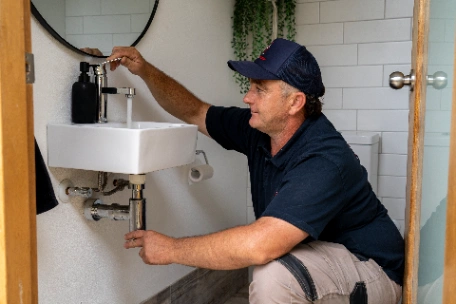
How Steve’s Plumbing Fixes Low Water Pressure
If you’ve done the basic checks and your shower is still a disappointment, it’s time to stop the guesswork. We don’t just start swapping out parts and hoping for the best; we find the actual bottleneck so you aren't paying for 'trial and error' repairs.
✅ Pressure & Flow Testing
We start at the water meter and work our way into the house. By testing the pressure at different points, we can "trap" the problem. If the pressure is great at the meter but rubbish at the kitchen tap, we know exactly which section of pipe is causing the drama.
✅ Inspecting the Valves
We’ll take a look at your Pressure Limiting Valve (PLV) and your tempering valves. These are usually the culprits when pressure disappears for no reason. Often, a simple valve replacement is all it takes to get your shower back to 100%.
✅ Leak Detection
Sometimes low pressure is actually a "bleeding" pipe. We use acoustic leak detection gear to listen through concrete slabs and garden beds. If there’s a hidden hole in your line, we’ll find it without digging up your entire yard.
✅ Pipe Health Check
If you’re in an older home, we’ll check for internal rusting. Old galvanised pipes can close up over time, kind of like a clogged artery. If that’s the case, we’ll talk you through the best options for a partial or full re-pipe.
💯 The Steve’s Plumbing Guarantee
We provide upfront, fixed pricing before we start any repairs. You’ll know exactly what the fix costs, with no hourly rate surprises while we work!
Still scratching your head?
If the neighbours are fine and your valves are open, you’ve likely got a hidden leak or a failed regulator. Don't let it linger: small leaks can turn into massive bills (and property damage) pretty quickly.
Give Steve’s Plumbing a call today on 1300 264 950. We’ll bring out the diagnostic gear, find the bottleneck, and get your water pressure back to 100%.
Resources:
Water Corporation - Low Water Pressure
Utility Water - Water Pressure
Sydney Water - Water Pressure Management Program